
Batteries, starting and charging
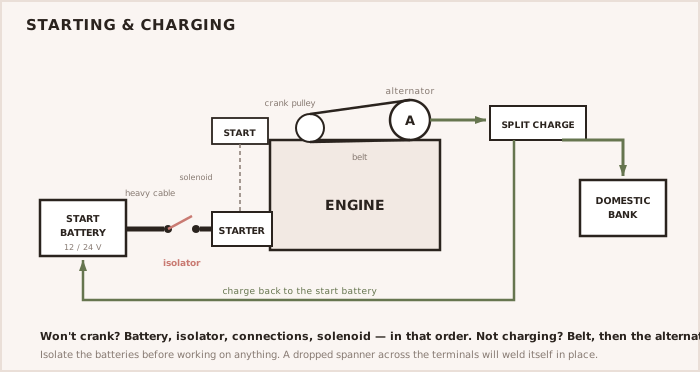
Lead-acid batteries store the energy to start the engine and run the electrics. The starting circuit runs from the battery through an isolator and the starter solenoid to the starter motor, which cranks the engine; if the battery is flat or a connection is poor, the engine will not turn. The charging circuit uses the alternator, driven by a belt from the engine, to recharge the battery and supply the electrics while running, its output regulated to avoid overcharging. The engineer keeps the connections clean and tight, checks the belt, and understands the fuses that protect the circuits.
- Understand battery types, condition, safe handling and correct charging.
- Know the starter circuit: battery, isolator, starter solenoid and motor.
- Know the charging circuit: alternator, drive belt and voltage regulation.
- Make basic checks with a multimeter — voltage, continuity and fuses — and keep connections clean and tight.
WARNING — Batteries give off explosive gas Lead-acid batteries give off hydrogen when charging. Ventilate the space, avoid sparks and naked flames near them, never short the terminals, and wear eye protection around the acid.
TIP — Clean, tight connections fix many 'electrical' faults A surprising number of no-start and charging faults are simply dirty or loose connections and corroded terminals. Cleaning and tightening the connections is the first thing to check.