
The load line and watertight integrity
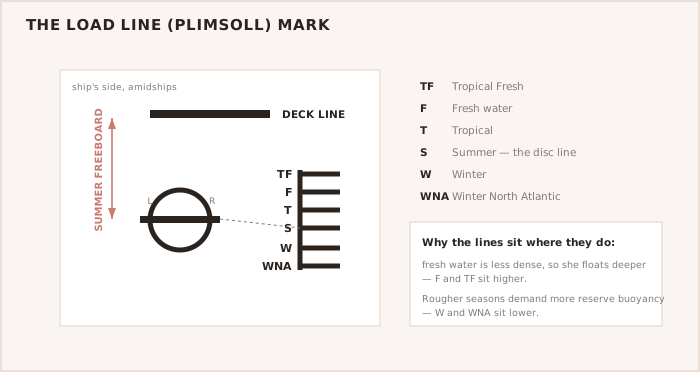
The load line marks the maximum permitted draught for each zone and season and so guarantees a minimum freeboard, which is the reserve buoyancy that keeps the ship afloat and provides righting energy. Watertight and weathertight closing appliances — doors, hatches, vents and air pipes — must be closed and secured at sea, freeing ports and scuppers kept clear so water drains off the deck, and downflooding points identified and kept shut. The Chief Mate runs the closing-down routine for sea and heavy weather and keeps the closing appliances maintained.
Damage stability in outline
- When a compartment floods, buoyancy is lost and G may rise, reducing stability and changing trim and list.
- Intact watertight subdivision confines the flooding and may let the ship survive damage she would otherwise not.
- Cross-flooding arrangements, where fitted, reduce a dangerous list by flooding symmetrically.
- The Chief Mate knows the damage-control plan, the bilge and pumping systems, and the actions to contain flooding.
WARNING — Open doors and blocked scuppers sink ships A ship with damage but sound watertight integrity may survive; the same damage with doors left open and scuppers blocked may not. Closing down for sea is safety-critical, not paperwork.
NOTE — Freeboard is reserve buoyancy The minimum freeboard the load line guarantees is the intact watertight volume above the waterline — the reserve buoyancy that keeps the ship afloat and helps her right. Loading her deeper than the mark removes that margin.