
Controlling access
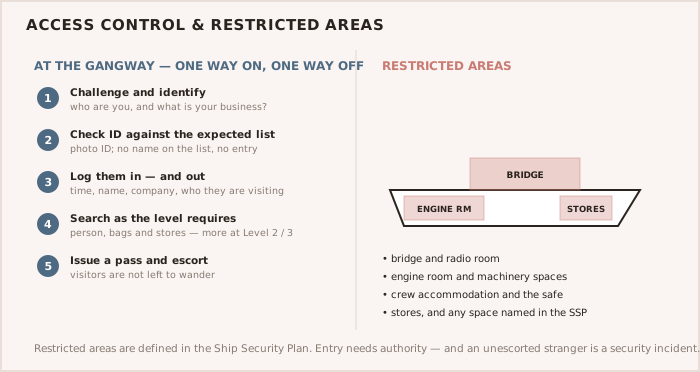
- Man the gangway and control who boards: checking identity, authorisation and the reason for boarding.
- Control visitors, contractors and their equipment, and keep records as the plan requires.
- Monitor and control access to restricted areas of the ship.
- Raise the access-control measures as the security level rises.
Searches
Access control means checking the identity and authorisation of everyone who comes aboard, controlling visitors and contractors, and protecting the restricted areas. Searches — of persons, baggage, stores and the ship itself — are conducted to the plan to detect weapons, explosives, stowaways and other prohibited items, at a frequency and thoroughness that rises with the security level. Searches are done systematically and respectfully, following the plan, and anything suspicious found is reported and handled per the procedures rather than by the searcher alone.
WARNING — Do not handle a suspicious item found in a search If a search finds a suspicious item — a possible weapon or device — do not touch or move it. Keep people clear, report it to the Ship Security Officer, and follow the ship's procedures for a suspected device.
TIP — Search systematically to the plan A search is only effective if done systematically and to the plan — the same thorough method every time, at the frequency the security level requires. A hurried or partial search misses exactly what it is meant to find.