
Deciding under pressure
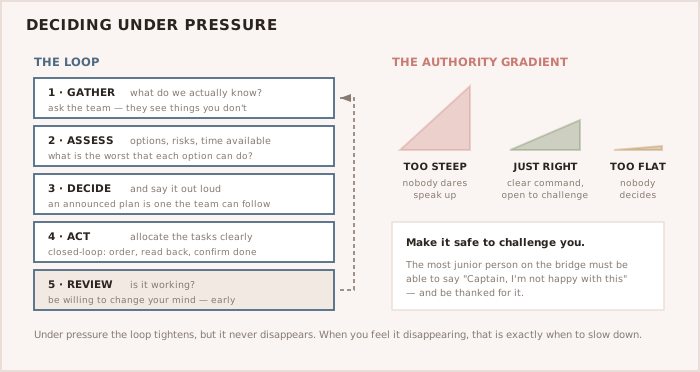
- Use structured decision-making and risk assessment for complex or high-stakes situations.
- Manage crisis and emergencies: take command, prioritise, communicate clearly and keep the team effective.
- Learn from incidents and near-misses and drive continuous improvement across the department.
- Balance commercial pressure against safety, retaining and using the overriding safety authority.
The defining test of a senior officer is the decision taken under pressure, where the information is incomplete and the stakes are high. Structured decision-making and risk assessment give a framework for such decisions, and in a crisis the senior officer takes command, prioritises, communicates clearly, and keeps the team functioning where fear would otherwise break it. Above all, the senior officer balances commercial pressure against safety and, under the ISM Code, holds the overriding authority to act for safety — an authority that exists to be used when safety demands, not merely to be held.
WARNING — Overriding authority is there to be used Under the ISM Code the Master's authority to act for safety overrides commercial pressure. A senior officer who knows this but will not use it when safety demands has missed the point of the authority.
TIP — Command steadies the team in a crisis In a crisis the team takes its cue from its leader. Calm, clear, prioritised command turns a frightened group into an effective one; hesitation and panic spread as fast as confidence does.