
Codes and certificates
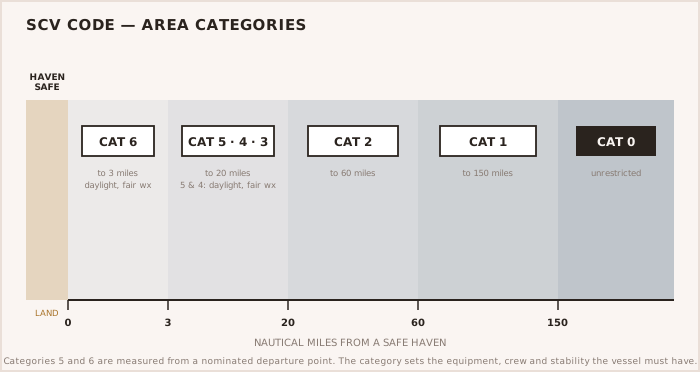
Small commercial vessels operate under the MCA Codes of Practice — and, for larger yachts, the Large Yacht Code — and a coded vessel carries a coding certificate that defines her permitted operating area, her distance from a safe haven, and the number of persons she may carry. The Master ensures the vessel's certificates, the servicing of her safety equipment and her manning all meet the code, and keeps the required records and log. Trading outside the coded limits is both unsafe and unlawful.
- Know the vessel's coding category and its limits — area, distance from a safe haven, persons carried.
- Keep the certificates and equipment servicing in date and ready for inspection.
- Meet the safe-manning and hours-of-rest requirements (MLC where it applies).
- Report casualties and near-misses to the MAIB, and comply with flag and port-state requirements.
The professional framework
An RYA Yachtmaster becomes a professional qualification only with the commercial endorsement — the PPR course, a medical, first aid and a radio certificate — and the Master of a coded vessel operates within that professional framework, not as a private skipper. The commercial endorsement carries duties: a duty of care to crew and passengers, a duty to keep the vessel seaworthy and within her code, and a duty to report accidents honestly.
NOTE — The coding certificate defines the limits A coded vessel's permitted area and passenger numbers are set by her coding certificate under the relevant MCA Code of Practice. The Master keeps the vessel inside those limits — they are the boundary of lawful, insured, safe operation.
WARNING — Report casualties and near-misses Certain accidents and dangerous occurrences must be reported to the MAIB. Knowing and meeting the reporting duty is part of professional command, and the records must be honest and complete.