
Appraise, plan, execute, monitor
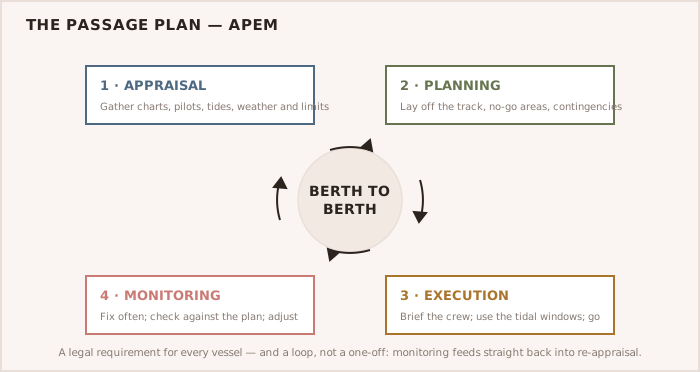
- Appraise: gather charts, the almanac, pilot books, weather and tidal data for the whole passage, and assess the risks.
- Plan: lay off the track berth to berth, marking hazards, clearing lines, tidal gates, bolt-holes and abort points, and set the waypoints and the pilotage for entry and exit.
- Execute: brief the crew, confirm the plan against the actual tide and weather, and choose the departure to catch the tidal window.
- Monitor: fix position regularly by more than one means, log the progress, and adapt to the weather and tide as they actually are.
Tidal gates and contingencies
Two features distinguish an offshore plan. Tidal gates — races, bars, bridges and narrow channels that can only be passed safely at a particular state of tide — often set the timing of the whole passage, so they are worked first. Contingencies — bolt-holes to run to and abort points beyond which it is better to press on than return — are built in before departure, so that when the weather or the boat changes the skipper is choosing between prepared options rather than improvising.
WARNING — Cross-check the electronic plan against the chart A waypoint entered wrongly, or a route that clips a danger between waypoints, has grounded well-found boats. Check the electronic route against the paper chart and almanac before you rely on it.
TIP — Plan the tidal gates first, then fit the rest Because a tidal gate can only be passed in a short window, work out those windows first and build the departure time and the schedule around them. Everything else in the plan is more flexible than the gate.